About Max Bellaiche
Osteopath, Sydney
M.Ost · B.ClinSc (Osteopathy) · B.Sc (Physiology) · AHPRA-Registered · Osteopathy Australia Member
Consultations in English and French · Dry Needling · Shockwave Therapy (ESWT) — all three Sydney clinics
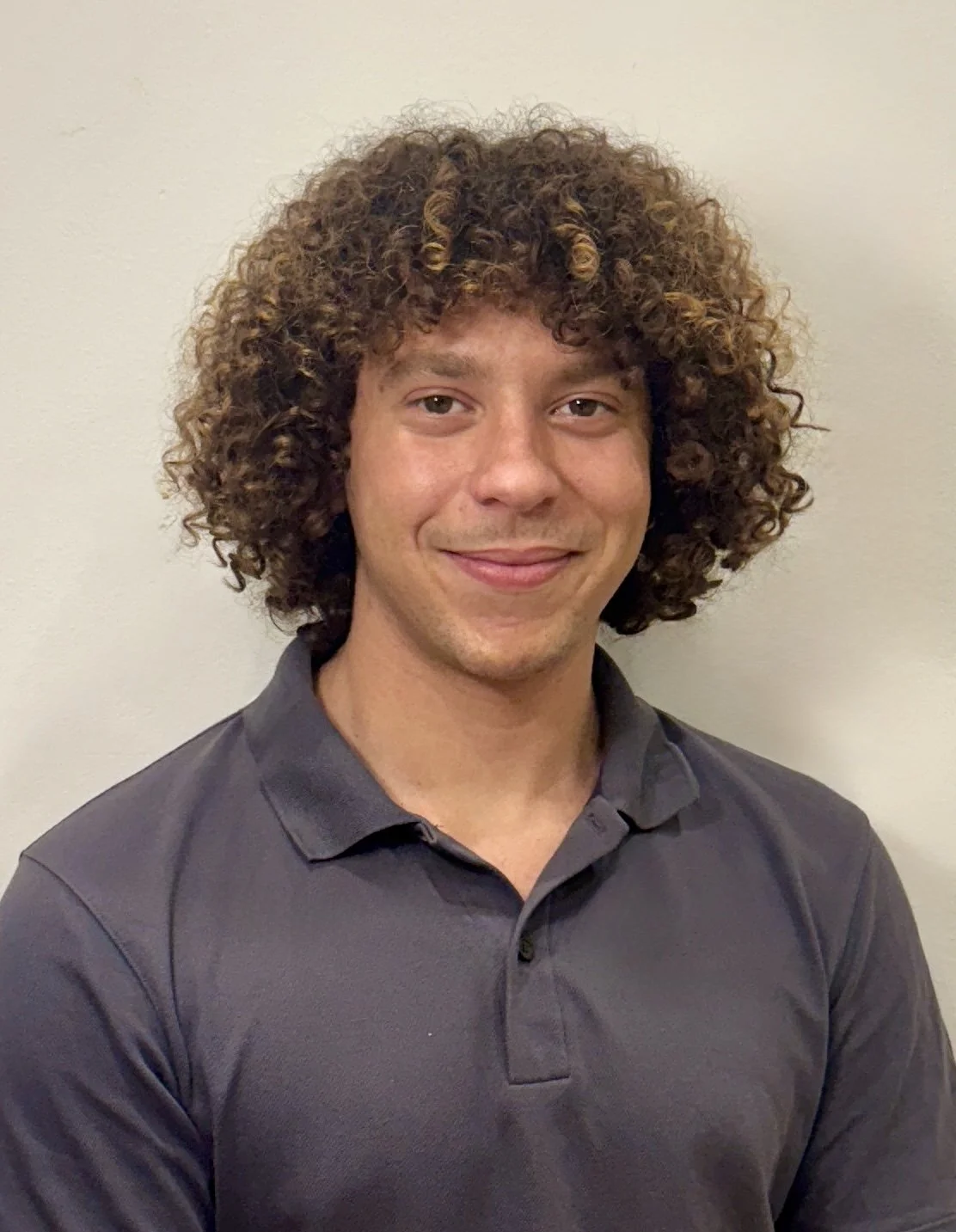
Max Bellaiche is a Bondi-born, bilingual osteopath who consults across three Sydney clinics in English and French. He came to osteopathy the long way round — through a physiology degree first — because he wanted to understand how the body works before learning how to treat it. His work today spans everyday back and neck pain, sport and active-lifestyle injuries, and the stubborn presentations that have never quite fitted a tidy label.
Max's story
Max grew up in Bondi Beach and was educated at the International French School of Sydney. With French heritage and a genuinely bilingual upbringing, he moves easily between Sydney's local community and its French-speaking residents — and he is as comfortable taking a clinical history in French as in English.
Away from the clinic he has always been an active person: a surfer, swimmer and climber who has also spent plenty of time on a soccer field and a snowboard. That isn't incidental to how he practises. It is part of why he understands what it actually takes to rebuild after an injury and get back to the activity you stopped doing — not just in theory, but from the inside.
His route into the profession started with a Bachelor of Science in physiology at the University of Sydney — three years studying how the body's tissues and systems function, load and adapt. That foundation, which most osteopaths don't share, left him convinced that good treatment starts with understanding the mechanism rather than just naming the symptom. He went on to complete his clinical and postgraduate osteopathic training at Southern Cross University.
In his early years of practice he worked closely alongside experienced osteopath Alison Linn at Rozelle Osteopaths in the Inner West — formative years that shaped how he assesses, how he explains things, and his habit of building a plan with a patient rather than for them.
Evidence-Informed Training & Qualifications
Max completed seven years of university training before clinical practice:
Bachelor of Science (Physiology) — University of Sydney, three years. A foundational understanding of how the human body functions across systems.
Bachelor of Clinical Science (Osteopathy) and Master of Osteopathic Medicine — Southern Cross University (Gold Coast), four and a half years. Clinical science, anatomy, neuroscience and musculoskeletal examination, followed by postgraduate clinical training in osteopathic assessment, manual therapy, and management of musculoskeletal presentations across the lifespan.
Myofascial Dry Needling and Cupping (Manual Medicine International)
Shockwave Therapy (ESWT)
Registered with the Australian Health Practitioner Regulation Agency (AHPRA registration number OST0004003860)
Member of Osteopathy Australia
Graduate, International French School of Sydney
Max is committed to ongoing professional development and regularly undertakes postgraduate training to integrate current, evidence-supported techniques into his practice. He is registered with AHPRA and maintains full professional indemnity insurance in accordance with the requirements of the Osteopathy Board of Australia.
Registration can be verified at any time through the AHPRA register.


How Max thinks about pain
A few principles run through everything he does:
Pain is usually a load-tolerance problem, not a damage report. Most musculoskeletal pain — mechanical neck or low back pain, a grumbling tendon, a niggle that keeps returning — is the tissue signalling that the demand placed on it has outpaced its current capacity. Management focuses on closing that gap, not on imagined damage.
Tissue adapts to the right load at the right time. Rest alone rarely rebuilds capacity. Whether it is a tendon, a deconditioned back or a joint settling after a flare, graded and well-dosed loading is usually what restores tolerance — and it is where Max's physiology background does the most work.
You own the process. Clinical conversations are collaborative. You will understand what has been found, why it likely behaves the way it does, and what the plan is — and if something doesn't fit, the plan changes.
Where Max focuses
Max sees a broad range of musculoskeletal presentations. In practice his work tends to cluster around four areas:
Everyday back, neck and postural pain — mechanical low back pain, neck pain, cervicogenic (neck-related) headache, and the postural strain that builds up from desk work and training loads.
Sport and active lifestyles — recreational runners, cyclists, swimmers and weight-trainers, with a structured return-to-sport process built around graded load and symptom monitoring.
Tendinopathy and load management — a particular interest in Achilles, patellar and plantar presentations, assessed within the current understanding of tendon pathology and managed with progressive loading as the central principle, supported by manual therapy, dry needling and shockwave therapy (ESWT) where clinically indicated.
Persistent and recurrent pain — presentations that haven't settled, or that keep coming back, assessed within a contemporary biopsychosocial framework and managed collaboratively.
How Max works
A typical initial assessment includes a detailed history, a clinical examination relevant to your presentation, and a clear discussion of what has been found and what comes next. Treatment may begin in the first session if clinically appropriate, or may follow further imaging or referral if needed. Read what a first visit involves →
Treatment plans typically combine hands-on osteopathy with dry needling or shockwave therapy where clinically indicated. Where exercise prescription or graduated loading is appropriate, Max draws on his physiology background to build a programme that fits your activity level and goals.
What Max does not do
Some things sit outside what an osteopath can or should offer. Knowing when to refer is part of clinical work.
Diagnosis of red-flag pathology — significant trauma, fracture suspicion, neurological deficit or suspected serious systemic illness. These go to your GP or emergency department; Max will tell you and refer if they appear.
Long-term pain medication management — opioid tapering and multi-modal medication plans are pain-medicine and GP territory. Max may write to your GP with relevant clinical context but does not prescribe.
Specialist medical scope — rheumatological diagnosis, orthopaedic surgery, paediatric specialist concerns. Onward referral when indicated.
Promises about outcomes. No osteopath can guarantee results. What you will get is an evidence-grounded plan, an honest review of progress, and a recommendation when something isn't working as expected.
Languages
Max is bilingual. Consultations are available in fluent English or native French — useful for patients who think about their body and symptoms in French, or who simply prefer the comfort of their first language during a clinical conversation.
Where to find Max
Max consults across three Sydney clinics:
Bondi Junction — Harley Place Health, Level 8, Suite 809, 251 Oxford Street
Leichhardt — Rozelle Osteopaths, 33 Tebbutt Street
Sydney CBD — Sydney Osteopathic Medicine, Level 8, Suite 808, 109 Pitt Street
All three clinics offer the same standard of care.

Schedule a Consultation
Contact Max
Questions about your presentation, which clinic to book at, French-language availability, or anything not covered in the FAQ?
Send a message below — Max aims to respond within one business day.
For urgent appointments, book directly → or call the relevant clinic.